
Repair work in modern workshops depends on accuracy. Small errors can lead to larger issues later. This is where structured equipment and digital support come into use. The idea is simple. Tools must work with data, not just manual effort.
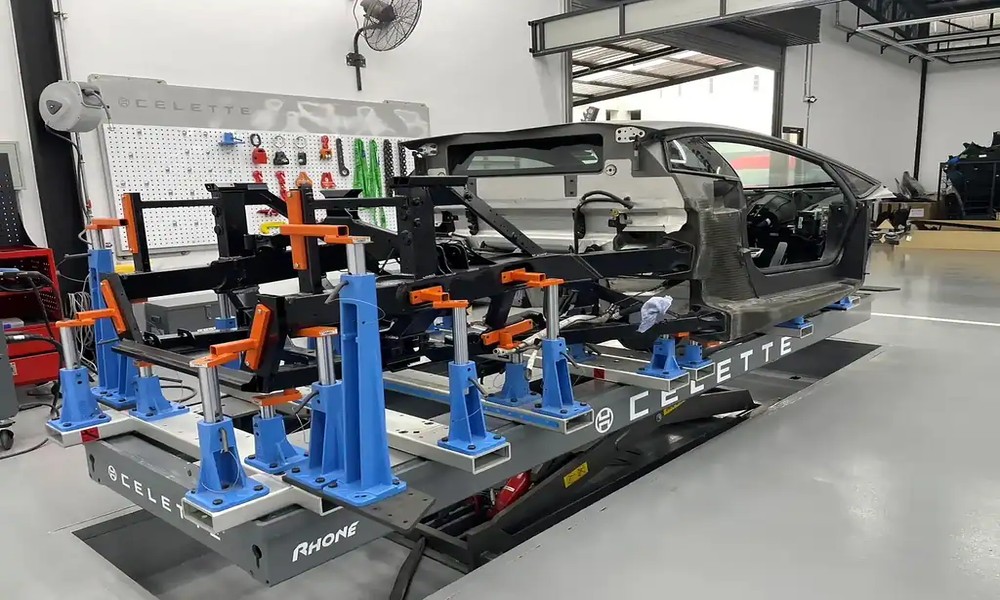
Many professionals look for better ways to align damaged vehicle frames. They want clear systems that reduce guesswork. An automotive frame jig plays a central role in holding and aligning structures during repairs. When combined with technology, it improves precision and repeatability.
Without a clear system, mistakes happen often. Different measurements, uneven setups, and manual errors create confusion. This slows down repair work and affects quality. A structured approach removes these gaps and keeps the process stable.
Why structured integration matters more than guesswork?
Technology only works well when used in a defined way. Random use of tools leads to inconsistent results. A structured setup ensures each step follows a fixed path.
Key elements that support proper integration:
- Use digital measurement systems for alignment
- Follow standard setup procedures before repairs
- Ensure all tools are calibrated regularly
- Maintain clear data records for each repair
- Train staff to follow system-based workflows
These steps help reduce variation and improve accuracy.
Digital measurement integration method
Digital measurement tools help track frame alignment. They provide exact data points instead of visual estimates.
In real conditions, technicians connect measuring systems to the frame setup. This shows where adjustments are needed. It reduces manual checking and speeds up the process.
A limitation is cost. Advanced measuring systems require investment and proper training.
Sensor-based alignment support method
Sensors are used to monitor position and movement during repairs. They help maintain accuracy while adjustments are made.
In practice, sensors provide real-time feedback. This allows technicians to correct alignment instantly. It reduces the need for repeated checks.
The challenge is sensitivity. Sensors must be handled carefully to avoid incorrect readings.
Software-guided repair process method
Software tools guide technicians through each step. They provide repair data and alignment specifications.
Workshops use software to compare current frame conditions with original values. This helps ensure proper correction. At this stage, the automotive frame jig works alongside digital inputs for better control.
A limitation is dependency on data accuracy. Incorrect data can lead to wrong adjustments.
Modular jig system integration method
Modern jig systems are designed with modular parts. This allows flexibility in handling different vehicle models.
In real use, technicians adjust jig components based on the repair requirement. This improves adaptability without changing the entire setup.
However, improper configuration can lead to misalignment. Careful setup is required each time.
Building long term improvement through consistency
Progress comes from repeated and controlled actions. Testing different methods helps identify what works best. Reviewing past repairs highlights areas for improvement.
Consistency is more important than speed. Regular checks and proper tool usage create stable outcomes. Teams that follow structured routines achieve better results over time.
Reliable repair outcomes depend on clear processes and steady execution. Technology supports accuracy, but only when used with discipline. Consistent methods and regular review help maintain quality without relying on guesswork.
